How the Patient Presented
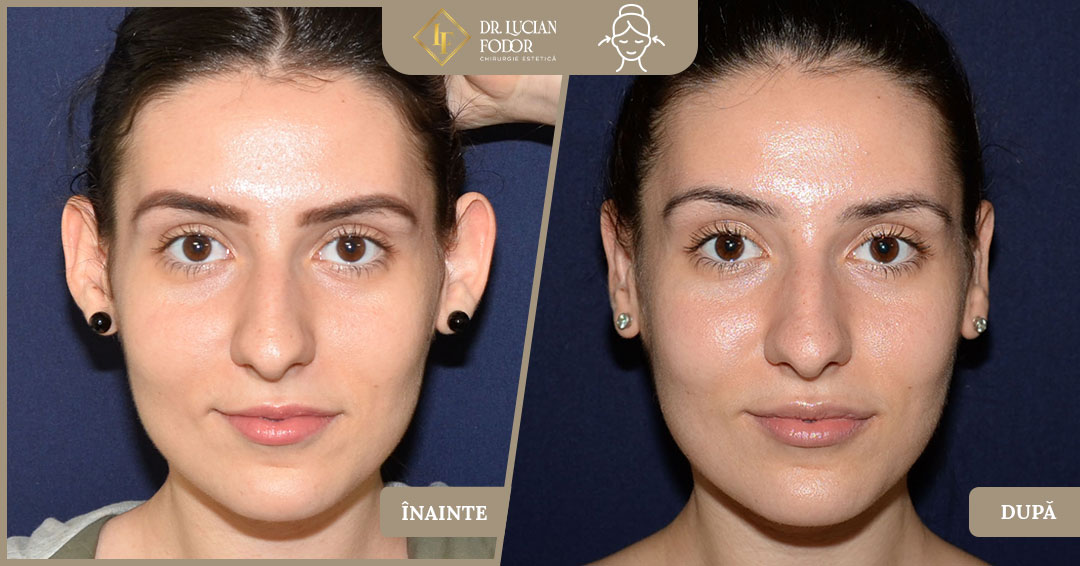
The patient came in dissatisfied with the appearance of their ears, which not only protruded noticeably from the plane of the head — the well-known “prominent ear” problem — but also presented a pronounced asymmetry between the two ears, visible both from the front and in profile. On clinical examination, the source of the asymmetry was identified as a malposition of the cartilage of the outer ear, particularly at the level of the helix — the curved structure forming the outer rim of the ear. The cartilage did not follow its normal anatomical trajectory, which caused both the excessive projection of the ear away from the head and the difference in shape and position relative to the opposite ear.
The Treatment Decision
The prominence alone could have been addressed with a routine otoplasty technique. However, the presence of structural asymmetry required a differentiated approach for each ear — not a mirror-image correction, but individualized planning that took into account the anatomical particularities of each ear separately.
The goal was twofold: to bring the ears closer to the plane of the head at a natural distance, and to harmonize their shape and position so that the asymmetry would be eliminated and the final result would appear natural and balanced.
Surgical Technique
The procedure involved reshaping and repositioning the auricular cartilage through otoplasty techniques, with discreet access via an incision placed behind the ear in the natural fold — rendering the scar virtually invisible. The helix cartilage was repositioned and stabilized in its new shape, correcting both the excessive projection and the shape-specific asymmetries of each ear.
The technique required a consciously asymmetric approach: corrections were calibrated differently for each ear, with the aim of achieving symmetry in the result — not through identical intervention, but through calculated compensation of the existing differences.
Result
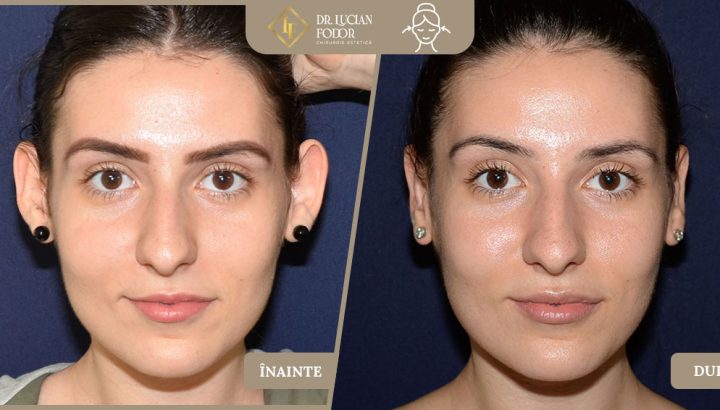
The ears are now positioned correctly relative to the plane of the head, with a natural distance and angle. The previous asymmetry has been corrected — both ears now have a balanced, symmetrical appearance when viewed from any angle. The scars are hidden in the posterior fold of the ear and virtually imperceptible. The result subtly but significantly improves the overall balance of the face.